

How do you measure marketing? It’s the age-old question that has stumped many a marketer. In fact, if you ask 10 different people what marketing metrics you should be tracking, you’ll likely get 10 different answers.
Blog

19 Signs It’s Time to Update Your Small Business Website
A poorly designed or outdated website sends a message. Is your small business website creating the best impression? If not, it might be time for a refresh.
Facebook Ad Targeting: What Do All These Changes Mean to You?
If you’ve been following the news recently, you’re probably aware that Facebook has been in a bit of trouble. Various scandals and investigations have exposed issues surrounding Facebook’s advertising targeting options and data privacy.
In response, Facebook has made a flurry of changes to their advertising options over the past year. Recent headlines are full of alarming news about the social media platform removing thousands of ad targeting options, but what does that really mean for your business?
First, let’s get to the bottom of how Facebook gets its targeting data, and why they’re making these changes in the first place.
Where Does Facebook’s Targeting Data Come From?
Facebook is known for having the most detailed targeting options of any online advertising platform. Especially when it comes to user interests and behaviors, Facebook’s targeting can be so detailed, it’s creepy.
Where does all this information come from?
Information from your use of Facebook
With over 2 billion daily active users who are reportedly spending upwards of 58 minutes per day on the app, Facebook gets a ton of information directly from us, their users. First, you probably share information on your profile like your age, gender, job, hometown, and friends. Facebook also tracks all your interactions with posts and pages, including what you post, click on, Like, or Share.
Information from advertisers
As a business, you probably have some information about your customers already, including things like their email addresses. If you want to reach those people on Facebook, you can upload your data, and Facebook will find accounts that match (without telling you exactly who matched). You get a targeted ad campaign, and Facebook gets even more data about its users that you provide.
Information from websites and apps that use Facebook services
Facebook can collect information about you even if you’re not on Facebook itself. Have you ever seen a Like or Share button on another website, or a blog (like this one?) Or maybe you’re signing up for a new software service, and you see a “Login with Facebook” option? Tools like that send data back to Facebook about your actions around the web.
Beyond that, businesses that advertise on Facebook often put a Facebook Pixel on their websites, which tells Facebook what pages you’re looking at on that website. For example, if an online retailer uses a Facebook Pixel, Facebook could tell if you looked at a particular shirt, or put a pair of shoes in your shopping cart.
Information from third-party data companies (discontinued)
Back in 2012, Facebook announced Partner Categories – targeting options enabled through partnerships with third-party data brokers like Acxiom, Experian, and Oracle Data Cloud. These Partner Categories provided enormous amounts of information on user behaviors beyond Facebook, such as purchase history, home ownership, or income level.
In the wake of growing criticism, Facebook announced in May of 2018 that they are shutting down Partner Categories.
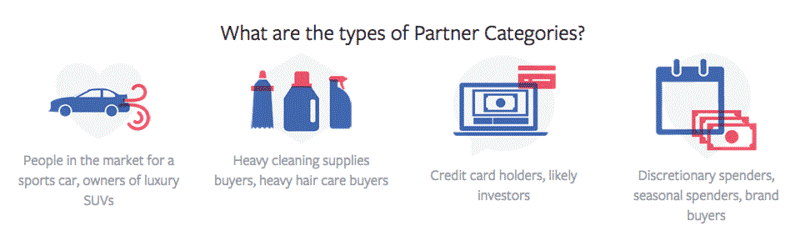
Source: marketingland.com
A Brief Timeline of Recent Facebook Ad Targeting Changes
So why is Facebook making changes to their advertising options in the first place?
Between various scandals and CEO Mark Zuckerberg testifying in front of Congress, Facebook’s data privacy and advertising practices have been under close scrutiny over the past couple years. We’ve assembled a brief timeline to explain the key controversies surrounding Facebook, and the major changes they’ve made to their ad targeting in response.
October 2016 – ProPublica reveals discriminatory housing ads & HUD initiates investigation
ProPublica, a nonprofit investigative journalism group, found that Facebook allowed advertisers to create ads that excluded users based on race, which goes against the federal Fair Housing Act. This prompted the U.S. Department of Housing & Urban Development to begin a preliminary investigation of Facebook’s advertising and targeting options.
November 2016 – Facebook announces updates to Ethnic Affinity Marketing
In response to the ProPublica report, Facebook announced that it was disabling Ethic Affinity categories for housing, employment, or credit-related ads. They also promised to update their advertising policies and provide more education to help advertisers in these categories avoid discriminatory ads.
February 2017 – Facebook announces improvements to anti-discrimination advertising policies
Following up on their earlier promises, Facebook soon announced stronger enforcement of diversity practices, including algorithms to disapprove potentially discriminatory ads, and required self-certification for advertisers in housing, employment or credit categories.
September 2017 – ProPublica reveals anti-Semitic Facebook ads
A few months later, ProPublica published another article, this time revealing that Facebook allowed anti-Semitic ads based on topics like “Jew hater,” and “How to burn Jews.” These ad categories were likely automatically generated by Facebook, based on information that people listed on their profiles.

September 2017 – Facebook removes over 3 million self-reported fields from ad targeting
Because offensive ad categories were created from information on users’ profiles, Facebook removed more than 3 million self-reported terms from ad targeting. These included fields like school, field of study, employer, and job title.
November 2017 – Russian ads from 2016 U.S. election come to light
During their investigation of Russian influence in the 2016 presidential elections, Congress found that Russia-based advertisers had purchased political ads to polarize American voters.


March 2018 – Cambridge Analytica scandal sparks massive Facebook investigation
Amidst investigations of the 2016 elections, reports surfaced that Cambridge Analytica, a political data firm hired by the Trump campaign, gained access to personally identifiable information for more than 87 million Facebook users. This sparked public outcry and raised issues about Facebook’s data collection and privacy.
March 2018 – Facebook announces it is shutting down Partner Categories
In the wake of Cambridge Analytica, Facebook announced that they were shutting down Partner Categories. While not directly involved in the scandal, Partner Categories gave Facebook access to a huge amount of behavioral data, which could be seen as creepy or downright invasive of user privacy.
April 2018 – Mark Zuckerberg testifies before Congress
With all the scandals going on, CEO Mark Zuckerberg was called to testify before Congress. During his testimony, he re-affirmed the importance of privacy, and took responsibility for the misuse of Facebook tools for “fake news, foreign interference in elections, and hate speech, as well as developers and data privacy.”
April 2018 – Facebook announces removal of “thousands of targeting options”
Next, Facebook announced that they were reviewing their ad targeting options to keep advertising “safe and civil.” The result: removing thousands of targeting options, primarily exclusions related to race, ethnicity, sexual orientation, and religion.
August 2018 – Facebook Developer blog announces reinstatement of professional targeting options
While Facebook’s official newsroom generally gets the media’s attention, their developer blog sometimes flies under the radar. In early August, the blog announced reinstated professional targeting options for job titles, employers, field of study, and education, as well as a new category for Facebook Page Admins.
August 2018 – HUD files official complaint and Facebook removes 5,000 targeting terms
Most recently, the Department of Housing and Urban Development filed an official complaint against Facebook, claiming discriminatory ad options violate the Fair Housing Act. This is the result of the same investigation that ProPublica sparked in 2016. In response, Facebook announced that they are removing over 5,000 targeting options.
So What’s Changed?
Many of Facebook’s announcements have been pretty vague about exactly what ad targeting options they’re removing. Plus, it takes time for them to roll-out major updates, so many of these changes are still in process.
However, Facebook is now flagging discontinued targeting options and requiring users to change them before ads can continue to run.
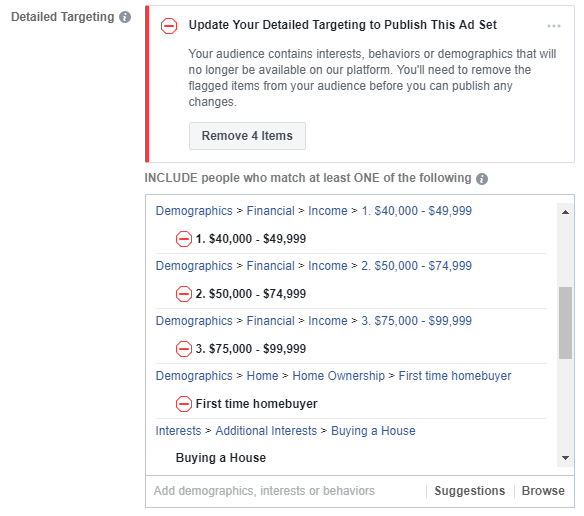
Here’s a list of some of the major targeting options that Facebook has changed or removed:
Demographics
- Limited options for Field of Study and Schools
- Financial categories (ex. Income, Net Worth)
- Home categories (ex. Home Ownership, Home Types, Home value)
- Generation
- Interested In
Third party behavioral data from Partner Categories
- Retail purchasing behavior (ex. frequent electronics or cosmetics buyers)
- Automotive shoppers (ex. people shopping for a new vehicle, or luxury car buyers)
- Charitable donations
- Business travelers
- Company size
- Likely to move, or in the market for a house
Job Titles
- Currently, options are limited for job titles
- You can’t target company executives like CEOs or Presidents
Exclusions based on gender, race, religion etc.
- Gender and ethnic affinity categories are still available for targeting, but you can’t exclude them
- For example, you can target women, but you can’t exclude men
What Do These Ad Targeting Changes Mean?
1. Don’t Panic
Despite all the doom and gloom headlines, Facebook still has an enormous amount of information about its users. Again, people spend a ton of time on Facebook (and Instagram). Think about how all your posts, clicks, comments, messages, groups, friends, and more. How much do they say about you and your interests? Probably a lot.
Don’t believe it? You can actually view and download all of your Facebook data, so you can see just how much Facebook knows about you. It’s a little scary, but remember that you can adjust your privacy settings.
So yes, targeting options are changing, but at the end of the day, Facebook still has plenty of data for advertisers to focus in on a specific audience.
2. Review and update any current ads
Some of these ad changes were announced months ago, but they’re still rolling out. So if you’re actively using Facebook advertising, review your current ads to make sure your targeting options are still valid.
Facebook has gradually been removing discontinued options from campaign creation and editing, but as of October 1, 2018, they will no longer deliver campaigns using Partner Categories.
3. Get more creative with your targeting
If you relied on Partner Categories or other targeting options that are no longer available, you still have other options. Advertisers just need to get more creative about how they’re identifying and reaching their target audience.
For example, let’s say you were targeting new homeowners – a category that is no longer available. Instead, you could look for people with interests like “buying a house,” “starter homes,” or “realtor.com.” Then look for a life event called “Recent Moved.”
4. Expect change
This isn’t the first time Facebook has changed its ad targeting, and it definitely won’t be the last. Facebook is constantly changing, and whoever is managing your Facebook account needs to stay up-to-date on the latest updates and continually make adjustments along the way.
If your business is struggling to keep up with everything going on with Facebook, we’d love to help. Our social media experts have gained even more experience lately from updating ad campaigns after all these changes (thanks, Facebook). Let’s talk about how our Facebook marketing services can take the headache out of managing your social media presence.
Let’s get social!


Why Good Web Design is Important, and Why You Need It
Evidence and studies repeatedly point to the fact that good website design is important, and the design of your business’s website impacts your customer experience, lead generation and ultimately, your bottom line.
How to Make a Website Plan (With Worksheet)
The single most important factor that impacts your website’s success is planning. So we’ve developed a framework (with a downloadable template at the end) to help make your next web project a success.

How to Tell if Your SEO is Successful
How can you tell if your SEO efforts are working or not? With modern search engines, AI, and ever-changing algorithms, the tactics are more difficult to measure. So how can you prove the ROI of SEO, and why does it seem so hard to do in the first place?
Why SEO is Important and Why You Should Care
Search engine optimization certainly isn’t new, and at this point, most businesses know that it can help drive more website traffic. Despite this, only 55% of small businesses have invested in SEO marketing. Too many businesses think they don’t need SEO services, or they aren’t sure if the benefits will justify the investment. To help, we assembled a list of reasons why your business needs to seriously consider doing SEO, and key benefits of SEO services.
Why SEO is Important
Search engines aren’t going anywhere
Twenty years ago, we used dictionaries and encyclopedias to search for information. Now, we use search engines. Google alone sees about 63,000 searches every second. While individual search engines and algorithms may change constantly, search engines as a whole are here to stay. If you want your business to be found, you need to optimize your website so it’s visible to search engines.
There’s more competition than ever
In the year 2000, there were 17 million websites online. As of June 2018, there are over 1.8 billion. So your business is facing drastically more competition than ever before.
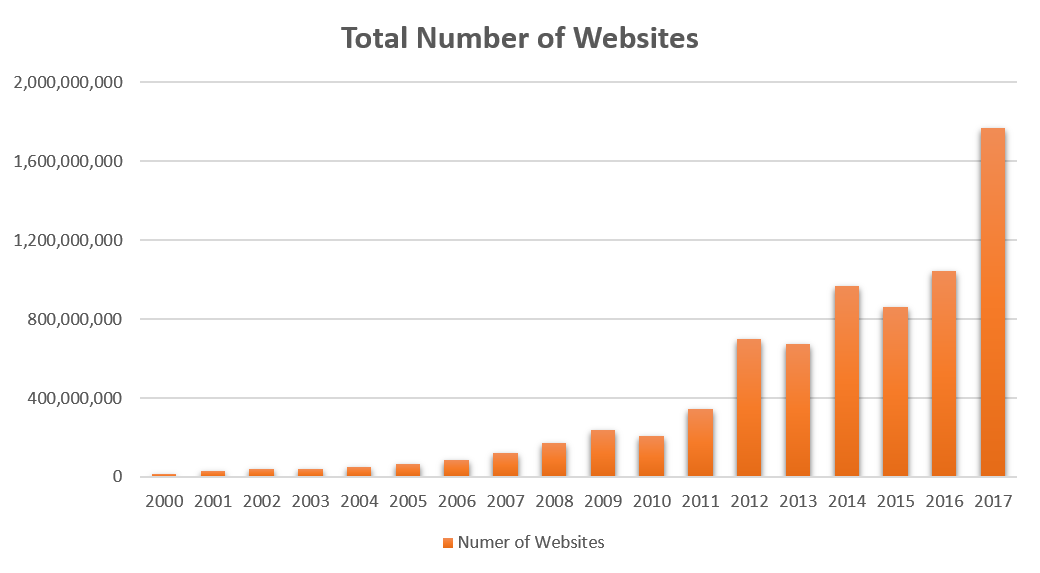 Data from internetlivestats.com
If you want to be found online, you can’t just build a website and assume that people will come. Effective SEO helps you rise above your competitors and create a strong online presence that differentiates you from the crowd.
Your competitors are already doing it
Speaking of competition, many of yours are already doing SEO marketing and probably have been for a while. SEO services have been a staple of most digital marketing plans for more than a decade, so if you haven’t started yet, you’re definitely behind. Every day that your competitors are outranking you in search, you are losing more website traffic and potential customers for your business.
If you’re not mobile-friendly, you’re in trouble
As of 2015, more searches were done on mobile devices than desktops, and the mobile trend is only continuing to grow. What’s more, Google recently updated their algorithms to a mobile-first approach and will penalize website designs that aren’t mobile-friendly. Optimizing your website design for mobile devices is a critical part of any SEO strategy, which makes it a must-have in today’s mobile world.
Google values great content, and great content needs SEO
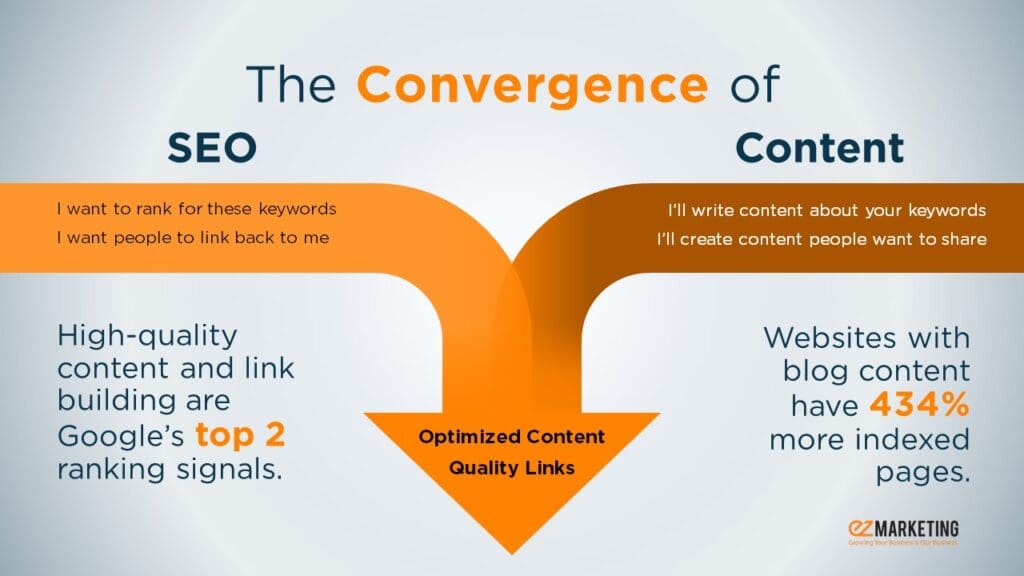
Google has over 200 ranking factors, but the top two are high-quality content and links. A search engine’s job is to provide the best, most relevant answer to the searcher’s query, and Google has learned that sites with great content often provide those best answers.
Yet even the most well-written piece of content isn’t enough on its own. You need SEO to convince Google that your content really does provide the best answer to your customers’ questions.
Why You Should Care About SEO
Now you understand why search engine optimization is important, and why many businesses have chosen to invest in SEO services. But the question still remains: is it right for your business? To help answer that, take a look at these key benefits of effective SEO marketing.
SEO attracts high-quality traffic to your website
One of the big advantages of SEO is it’s an inbound, or “pull” method of marketing. It doesn’t rely on you or your sales team endlessly cold calling or “pushing” your messaging to gain business. Instead, it draws in people who are actively searching for answers related to their questions and problems.
Also, good SEO marketing doesn’t just attract any traffic. It attracts the right traffic by optimizing your online presence to appeal to your target audience and making sure you’re visible in searches about your business and services.
SEO marketing generates more qualified leads
Again, because SEO drives high-quality traffic to your website, you’re attracting people who are more likely to become customers. According to Hubspot’s 2018 State of Inbound, 60% of marketers believe their best leads come from inbound sources like SEO and content, versus only 18% reporting the most success from outbound practices. SEO services go beyond just keywords and actually improve the online experience for your website visitors, which makes them more likely to convert to leads and customers.
SEO decreases your cost per lead vs. paid advertising
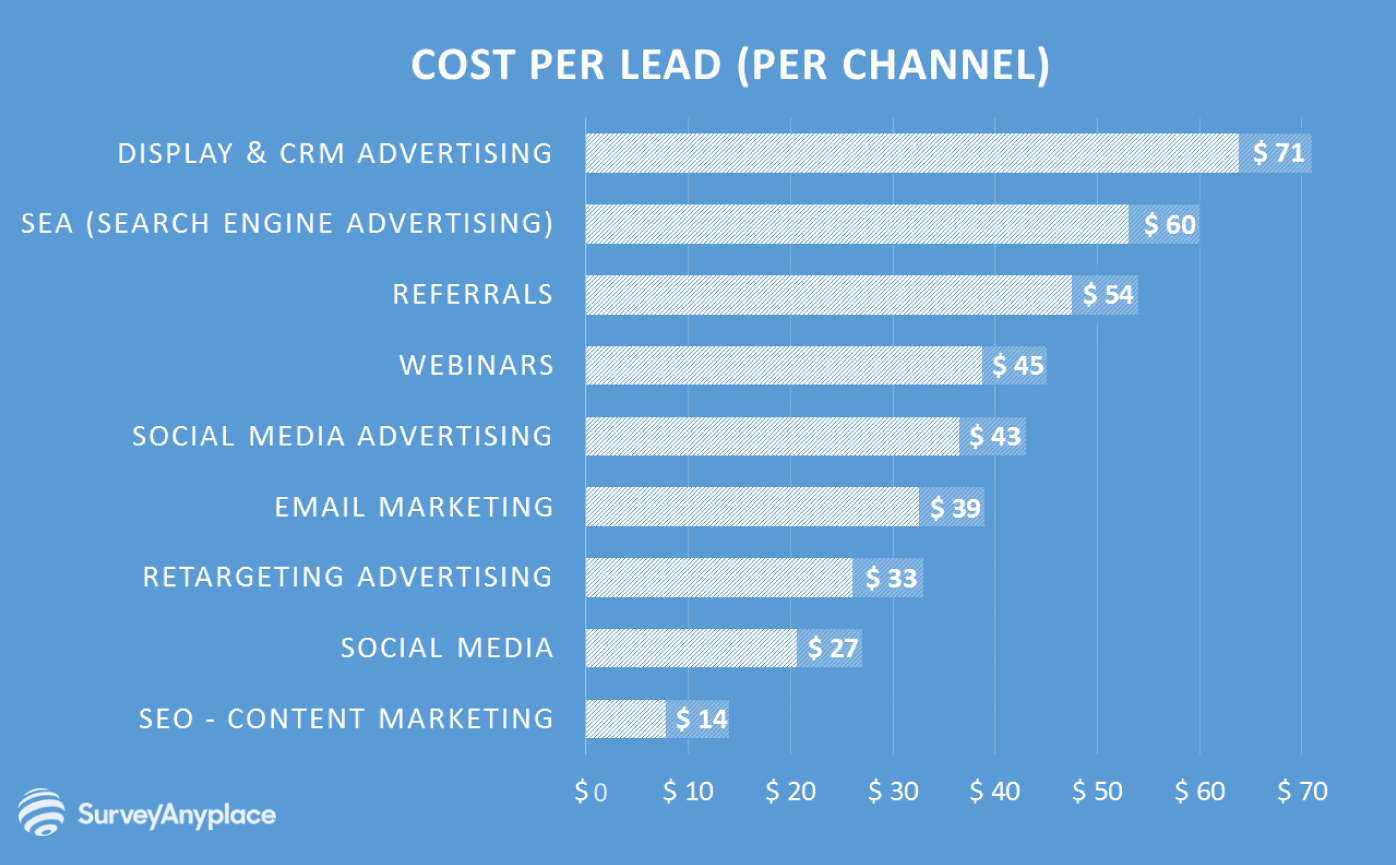
Speaking of leads, SEO marketing is typically one of the most cost-effective methods for generating leads, especially compared to paid advertising. While you still need to invest in good SEO management, leads from organic search results don’t cost you anything directly, whereas you’re likely paying a dollar or two for every click from a PPC campaign.
According to research on cost per lead, SEO and Content Marketing deliver the lowest cost per lead at around $14, compared to the $71 for display advertising.
Local SEO drives visits and sales
While only a small piece of the SEO puzzle, local SEO is critical for just about any business with a physical location. According to studies, 72% of consumers who did a local search visited a store within five miles, and 28% of searches for something nearby result in a purchase. In short, if you’re a local business, local SEO is an effective way to increase your bottom line.
SEO builds trust and brand awareness
Who would you rather do business with: someone you’ve never heard of, or someone who has helped you out before and answered a bunch of your questions?
Most of us would prefer the latter. SEO marketing helps you get your content in front of potential customers when they’re searching for answers. The more useful you can be, the more likely someone is to think of you and reach out when they’re ready to buy.
You can also gain brand awareness and trust simply by showing up in search results – even if people don’t click through to your website. In psychology, this is called the familiarity principle. Essentially, people tend to prefer things that they have seen or heard of before. So simply being seen in search results or (even better) getting your content displayed in a featured snippet can get your name in front of prospective customers and start building a positive impression.
SEO marketing has long-lasting benefits
Finally, one of the best things about SEO marketing is that the benefits extend far beyond your initial investment. Unlike a pay-per-click campaign, SEO marketing isn’t once-and-done. Well-ranking pages will continue to get organic traffic with no additional spend.
In fact, “evergreen” content, or content that is relevant long past its publication date, will often gain more traffic over time. Take our article on generating leads for your business, for example. It received much more traffic the 2nd year after it was published. Keep in mind, however, that even with well-ranking content, you should continue to monitor and optimize it to deliver the best results.
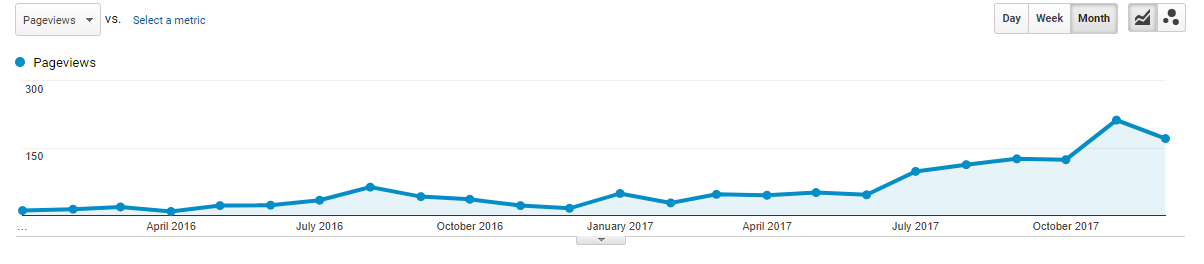
So not only is SEO incredibly important for how your customers search and find information, it also brings a myriad of benefits that can help drive more traffic, leads, and revenue for your business. If you need help managing your search efforts, our digital marketing agency offers multiple plans for SEO services. Interested in learning more? Download our e-book!


7 Unexpected Things You Can Do With Google My Business
An optimized Google My Business (GMB) profile is critical if you want people to find your local business online, but there’s a lot more to it than just listing your location and contact info. Check out these unexpected things you can do with Google My Business that can enhance your online presence.

How to Create an Email List: 14 Easy Methods
When it comes to email marketing, often the biggest challenge is simply building your email list. Many businesses wish their email database was larger. Others don’t have one at all and need to start from scratch. Regardless of where you’re at, it’s worth investing the time in creating a robust, targeted email list.
Why Email Marketing?
Let’s admit it: we’ve all deleted email marketing emails without even opening them. Regardless, email is still one of the most effective ways to communicate with your customers and prospects. In fact, 72% of consumers actually prefer for businesses to contact them via email.
When done well, email is also one of the most cost-effective marketing channels out there. In a 2016 study by Econsultancy, 75% of companies reported that email offers “good” or “excellent” ROI. What does that mean in dollars? According to Campaign Monitor, email marketing returns $44 for every $1 spent.
The trick is that effective email marketing requires a good email list.
What You Need Before You Create Your Email List
Before you start building your email marketing list (or growing it, if you already have one), make sure you’ve covered these basic steps:
1. Know who you’re trying to reach
It’s great if you have a big email list, but if it doesn’t contain the right people, it’s not going to do you any good. Make sure you know who your target audience is, and try to understand who they are, and what they need. Creating buyer personas can help!
2. Identify what’s in it for them
People aren’t going to give you their email address unless you give them a good reason. Think of it like a trade. They are giving you their email address and trusting you enough to let you into their inbox. What are you giving them in return? Think about resources, offers, or incentives that would be valuable and motivating to your target audience.
3. Get an email marketing provider
For professional email marketing, Gmail, Yahoo, and Outlook aren’t going to cut it. You need an email marketing campaign to help you create and send emails and manage your list – especially bounces and unsubscribes. You can use inexpensive tools like MailChimp or Constant Contact, or a more robust CRM system like Hubspot or Insightly if you need more features.
4. Have a website
While you can build an email list without a website design, it’s a lot harder. Since email is a form of digital marketing, it’s easiest to collect that information digitally. Your website is the center of your online presence, so it’s the perfect place to gather email addresses. You don’t need anything complicated, but at a minimum, you need a website that proves you are a legitimate business and includes an opt-in email form.
What NOT To Do
Don’t buy email lists
Buying an email list might seem like the easy way to get contacts fast, but we strongly advise against it. Even if the list company says that their contacts are accurate, well-vetted, and opted in, you’re still dealing with cold contacts who are not expecting to hear from you. It’s a low-quality list that is unlikely to generate high response rates and much more likely to annoy people.
Furthermore, most reputable email providers have policies against using purchased email lists. If you try to do it anyway and the email addresses are bad or recipients mark the messages as SPAM, you’re likely to get in trouble with your provider and suffer from low deliverability.
Don’t be spammy
Purchasing lists may be annoying, but in most cases, it’s not technically illegal. However, there are certain rules you need to follow when sending out email marketing messages, based on the CAN-SPAM Act of 2003. Most importantly, you need to make sure that you’re honoring unsubscribes and not continuing to email people who have opted out. Beyond that, make sure that you include contact information and unsubscribe options, and that you’re clearly and truthfully representing who you are and the subject line of your message.
>>RELATED ARTICLE: What to Do (& Not Do) With Your Email Marketing
Definitely don’t be spammy if you’re dealing with European customers
If you collect data from any European Union citizens, you also need to comply with the General Data Protection Regulation (GDPR) that went into effect on May 25, 2018. GDPR is much more rigorous than CAN-SPAM and sets a high standard for “freely given, specific, informed, and unambiguous” consent in order to send marketing messages. Even U.S. businesses who aren’t immediately affected would be wise to ensure they’re following best practices for email marketing and opt-ins.
14 Easy Ways to Build Your Email List
1. Include email opt-in forms on your website design
Your website is one of the best and easiest places to gather email information. If you have a blog or a newsletter, or you just send out company updates, include prominent calls to action (CTAs) on your website to ask visitors to sign up.
Pop-up boxes are particularly popular for this. We may say they’re annoying, but they are effective. A study by Sumo reported that pop-ups converted at an average of 3.09% (which isn’t bad by itself), and top-performing pop-ups averaged a 9.28% conversion rate – which is excellent! You can set pop-ups to appear after a certain amount of time, at a certain point on the page, or when someone is about to exit the page. For a more polite option, you can have a box slide in from the side too.
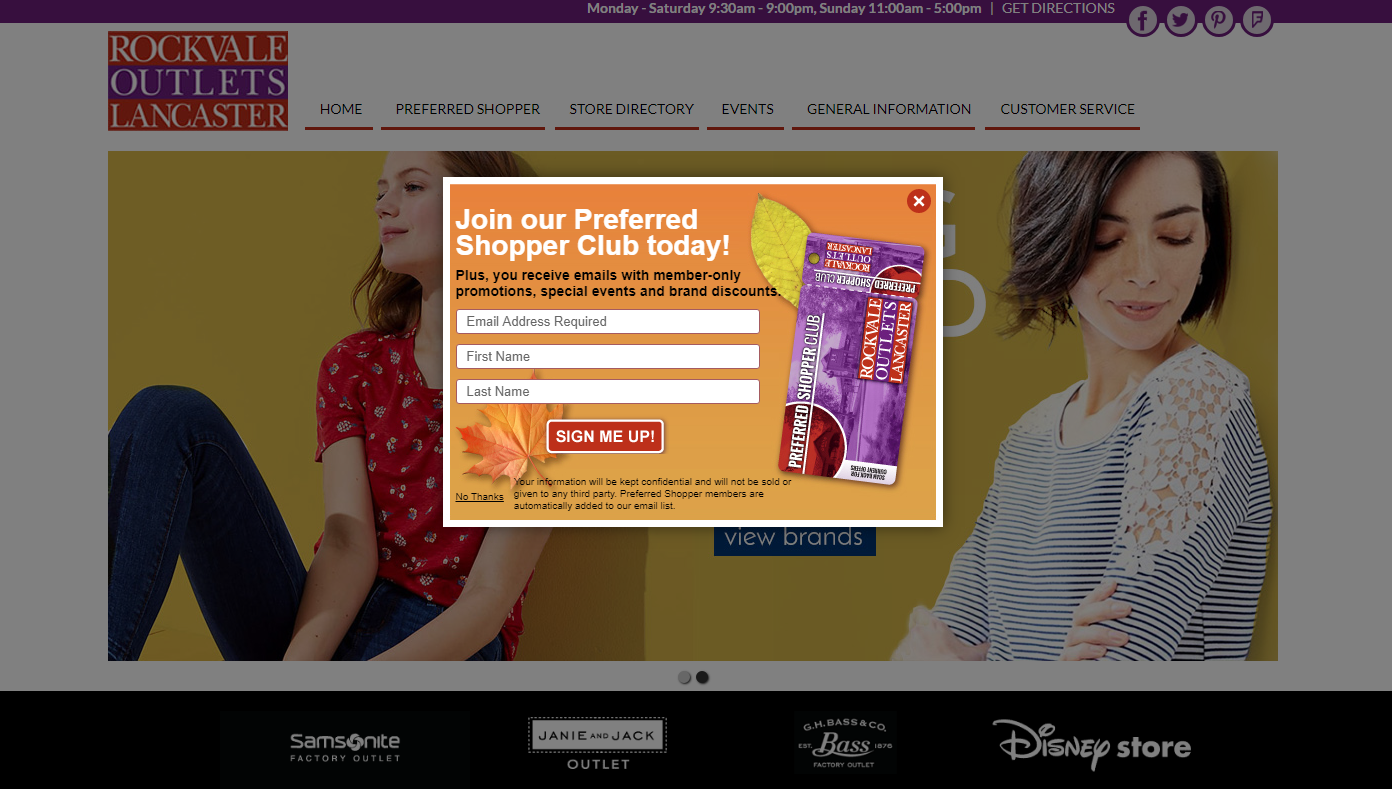
This pop-up from Rockvale Outlets grabs your attention and offers member-only discounts and specials to incentivize visitors to join.
If you don’t like pop-ups, try including noticeable CTAs on a sidebar, or at the footer of your site (like the one below). Or, if you have a blog, you can include sign-ups alongside your articles to encourage users to subscribe for more content.

Source: Explore Retirement Living
2. Offer high-value gated content
Gated content is the stuff you only give away in exchange for personal information – things like e-books, templates, guides, or webinars. These resources have a high perceived value for your audience, so it’s worth it to exchange an email address to get them.
Try including gated content offers within your normal, ungated content on a similar subject. For example, we recently wrote a blog post about building buyer personas. Within it, we have a call to action for a downloadable buyer persona template. This allows us to identify people who are more deeply interested in the topic and gather their contact information for further nurturing.

3. Create online tools or calculators
If e-books and white papers aren’t your style, consider creating a free online tool or calculator. Just ask for an email address in order for the visitor to see the results. For example, Hubspot’s Website Grader offers a ton of useful information about your website and helps them capture tons of new email addresses.
4. Use an online quiz
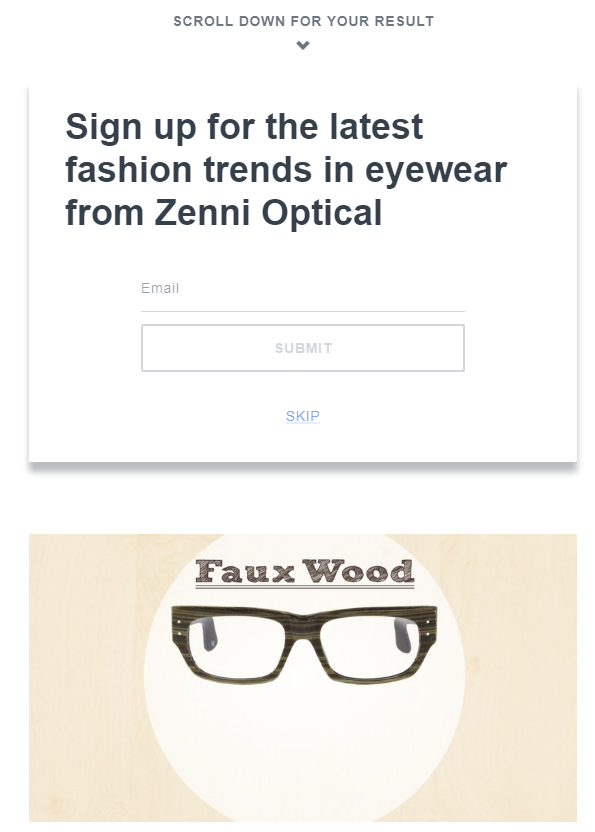
Quizzes are useful for much more than finding out what your spirit animal is or what Game of Thrones character you are. Create a quiz related to your business to add some fun and interactivity to your marketing while also gathering useful information about your prospects and customers (including their email address). Make the results shareable on social media to increase your reach build your list even faster.
A quiz from Zenni Optical to find the perfect eyeglasses frames generated over 29,000 lead conversions (which translated into over $1 million in revenue). Not bad for one quiz.
5. Hold a contest or giveaway
Who doesn’t like free stuff? A contest or a giveaway incentivizes people to provide you with their contact information. Again, social media is a great tool for sharing contests to even more people. Take a look at these awesome Facebook contest examples for inspiration!
One cautionary note: someone who gives you their email address for a chance to win something isn’t necessarily opting into marketing communications from you. You may want to re-confirm or double opt in any new contacts from a contest or giveaway.
6. Leverage social media marketing
As we already mentioned, social media is great for promoting your content and getting more eyeballs on all your lead generation offers. Share links to your content on all of your social media pages, directing visitors back to optimized landing pages on your website design. You can also include social sharing buttons across your website to make it easy for visitors to share your content themselves.
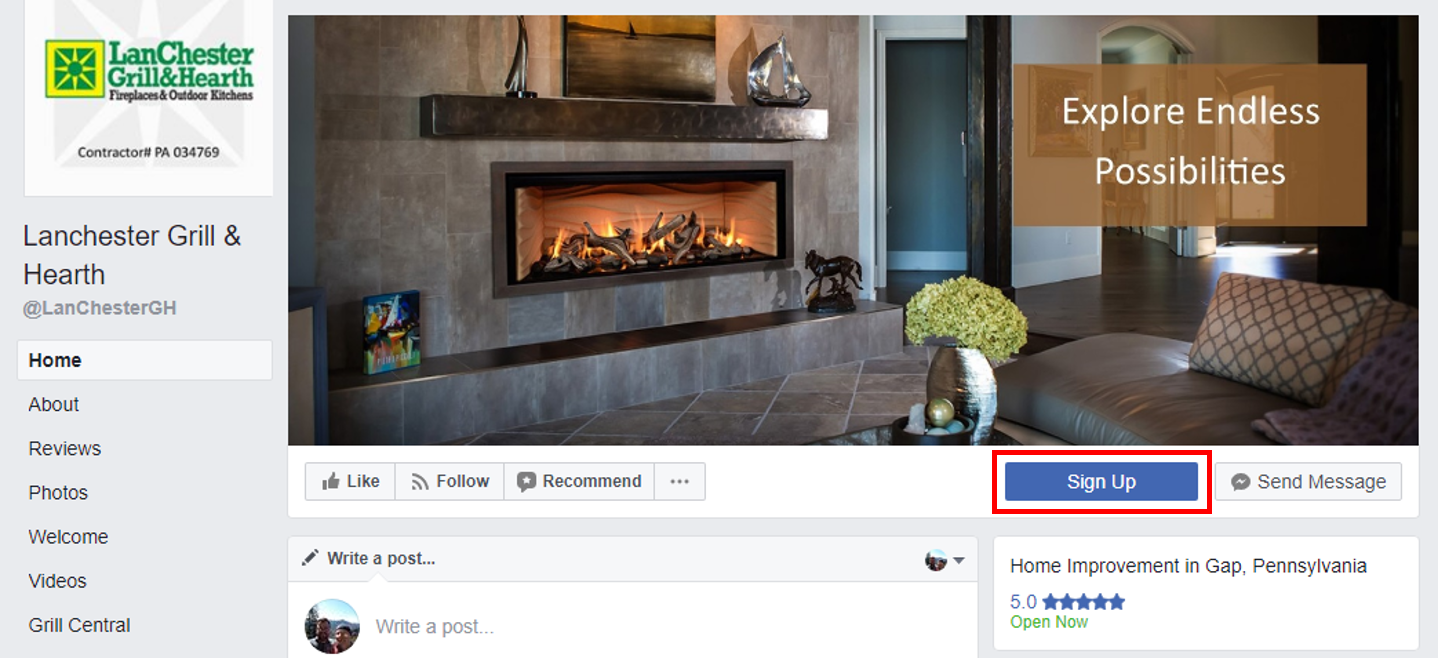
Additionally, your Facebook Business Page includes a call to action button at the top. Customize this to direct your Facebook audience to lead generation pages and sign up forms on your website.
7. Ask for referrals
Including social sharing buttons naturally makes it easier for people to share your content, but it doesn’t hurt to ask too. If you have great lead generation offer that’s sharable, ask your customers to share it on social media, or forward an email version to friends and colleagues.
You can also create a refer-a-friend program where you incentivize your existing subscribes to invite their friends to participate too. Just be cautious that you’re getting permission from the referred friends before you start emailing them a bunch of your marketing materials.
8. Guest blog on other websites
Not only is guest blogging great for SEO marketing and earning backlinks to your website, it’s helpful for building your email list too! When you contribute to other websites, make sure you have a strong author bio attached the article. Within your bio, you can include links back to a blog signup page or content offer landing page on your website design.
9. Partner with other organizations or businesses
Think about business groups, trade organizations, or complementary but non-competing businesses in your industry – anyone who is targeting a similar audience. You can promote each other on your websites or email newsletters, so each of you gains some exposure to the other’s audience. For a deeper collaboration, consider co-hosting a webinar, writing an e-book, or partnering together on original research.
10. Collect emails in person
While there are plenty of ways to capture emails digitally, old-fashioned offline methods work as well. If you’re a retailer or a restaurant, especially, you could have an in-store sign-up sheet in your checkout area. Many stores also offer rewards programs, birthday clubs, or even simply digital receipts. Have your staff ask customers during checkout if they’d like to provide an email address to sign up.
11. Host or attend in-person events
From business meetups to conferences to trade shows, in-person events are a great way to meet new prospects for your email list. Collect business cards from people you talk to, and follow-up to ask if you can include them on your email list.
You can also host events like lunch & learns, seminars, book clubs, community events, and more. Just ask people to RSVP online with an email address.
12. Ask for emails on the phone
If your business receives a lot of inbound calls from prospects and customers, try asking for their contact information right away. It can be as simple as, “Would you be willing to provide an email address so we can stay in touch with more information?”
13. Use offline marketing
Traditional marketing might not seem like the most obvious way to gather digital information, but it can still be effective. Include shortened links, personalized URLs, or QR codes on print ads and direct mail. These should direct visitors to an optimized landing page with a compelling call to action to capture their contact information.
14. Include opt-ins during transactions
If you have an online business, you probably have email addresses for most of your paying customers. However, transactional emails like welcome messages, order confirmations, shipping notifications, etc. are a great way to reconfirm information and opt-in your customers specifically to marketing communications.
Meanwhile, if your customers buy from you offline, you may have a harder time capturing their email addresses. Still, transactional materials like product packaging, price tags, invoices, or receipts are great places to include CTAs for opt-in offers.
While some of these tactics for growing your list are faster than others, remember than any good email list takes time. When it comes to email marketing, quality trumps quantity. An accurate list of opted in, highly engaged contacts is one of your business’s most valuable assets, and it will pay dividends versus a large, cold list any day.
Struggling with email marketing for your business? Our Lancaster digital agency also offer email marketing services as part of our full line of internet marketing services which can help make your life easier so you can worry about other business needs while we nurture your customer relationships for you.
If you found this article helpful, don’t forget to share it on social media, or forward it to a colleague.
Top 10 Writing Tools for Content Marketing You Need to Know
No matter what business you are in you can’t compete these days without great content marketing. These writing tools can help you work more efficiently.