Blog


Digital Summit Philadelphia 2016 Recap


Digital Summit Philadelphia, from August 23 – 24, was packed with dozens of speakers, including digital marketing experts, CEOs, data scientists, SEO gurus, business owners, and even a comedian. Five members of the  EZMarketing team ventured to the two-day event and learned far more than can be written in a single blog post – but we wanted to take the time to share some key takeaways from the many sessions we attended in our Digital Summit Philadelphia 2016 recap.

Read more

5 Things to Ask Your SEO Company

 As Search Engine Optimization continues to evolve, so to should the services of any SEO company worth its salt. From Panda to Penguin, the eradication of poor quality content and spam links was only the beginning.

Newer changes like machine learning in the form of RankBrain and major Google AdWords updates continue to shake-up SEO marketing. Even the most minor changes can cause ripples in the SEO industry, leaving professionals with a need adjust their tactics in order to stay relevant.

With every algorithm update and change to Google’s advertising platforms, SEOs need to keep on their toes to stay ahead. If an SEO doesn’t evolve, neither can their business.

As a business owner, you expect your prospective (or current) SEO company to be an industry expert. You want a team full of knowledgeable people committed to staying ahead of the SEO marketing curve. Even more than their knowledge and experience, you want to be able to trust your SEO company to do what’s right for your individual business needs.

To see the most return on your investment and partner with the right team, here are some things you should always ask your SEO company:

1. How will you improve my rankings?

This question is by far the most important, and complicated, to ask your SEO company. If you’re interviewing a good SEO company, there should be no easy answer to this question. Because of its complexity, it’s best to ask it right out of the gate.

search-rankings

The best SEO company will not shy away from the question, while a less than desirable company may try to distract you with irrelevant data or industry jargon that’s simply not important at this stage in the game. They should have no problem walking you through their process – preferably with an easy-to-understand guide.

If you’re posing this question to your current SEO company, the same rules apply. They should be confident in their response and able to supply the data you need to support their choice in tactics.

2. Do you guarantee rankings?

If the first question didn’t weed out the SEO snake oil salesmen, this one surely will. Always ask your SEO company if they guarantee rankings. If they say “yes,” the conversation should end there. While guaranteed rankings might seem like a good thing, they’re an outdated SEO marketing practice that no respectable SEO company will stand by in 2016.

With algorithm changes and platform updates, rankings are hardly ever stable. It’s natural for your rankings to fluctuate a few positions day-to-day. The right SEO company understands the natural ebb and flow of rankings and won’t guarantee anything.

What they should do instead is assure you that their processes are proven to improve rankings, optimize your site, and bring you quality traffic. Modern SEO marketing is less about rankings and more about attracting qualified, ready-to-buy leads to your site. This is what you should want from your SEO marketing efforts instead of a guarantee.

3. What are your certifications?

Once you feel comfortable with the high-level view your SEO company gave you of their processes, it’s time to nail down their experience. You’ll find SEOs that have been in the industry for 20 years, and those that are relatively new. While years of experience can be an advantage, you want to ask about certifications.

google-partner

An SEO company that has taken the time to learn new material and take a series of tests to prove their knowledge is one you want. This proves that they’re willing to do the work it takes to expand their skills, making them an expert in their industry.

SEOs that take the necessary time to complete and renew their certifications are usually up-to-date with the most current search trends. Look for an SEO company that is Google Analytics and AdWords certified, and is a Google Partner. Other certifications like Hubspot Inbound, Content Marketing Institute, and DistilledU are icing on the cake.

4. Do you need to make changes to my website?

A good SEO company will have on-page changes as some part of their SEO process. The best SEO company will have a set-up process that clearly outlines any frontend and backend changes they need to make to your site, and why these changes need to happen. If these on-page changes aren’t scheduled into their process within the first month of service, they’re not the right company for you.

On-page changes set the stage for an SEO marketing campaign – that’s why they should be done before any other SEO efforts begin. These changes help address any technical issues that may be negatively affecting your site, getting it up to Google’s standards. You should also expect help with content optimization for important keywords, and even ways to improve your user experience.

It’s so important to ask your SEO company about the changes they want to make to your site before you give them any sensitive information like website logins and FTP credentials. Changes will most likely need to happen on a server or database level and an SEO company that is inexperienced with backend changes can seriously damage your site.

5. Can you provide case studies, references, and testimonials?

After you have a good idea of the company’s SEO processes and experience, it’s a good time to ask for some tangible data. Your SEO company should have a wealth of educational material and case studies that are used to back-up their good work. If the company doesn’t have any current case studies, that should be a red flag.

reviews

Case studies are important to look at because in most cases, data doesn’t lie. When you can see true clients with real traffic and ranking improvements, you can better understand the SEO company’s worth.

Aside from case studies, references and testimonials or reviews are the best way to hear about the company from a previous client’s position. While a company can make themselves look good by choosing the best case study, their clients will be honest. As in most things, the best way to find out if something worked is to ask a person who has used it before.

Adding SEO marketing to your digital marketing strategy can make or break your site. While a successful SEO marketing campaign can double your traffic and sales in some cases, a bad campaign can tank your site’s rankings. Very few online business can afford a manual penalty brought on by shady SEO practices.

Protect yourself and your assets by asking these questions before signing up with an SEO company. When you find a company that can answer these to your satisfaction, you’ll know you’ve found your search partner.

SEO strategies CTA

Read more

Facebook is Making Changes to its Business Pages


Facebook recently rolled out some changes to its business pages that should make a lot of companies and page owners quite happy. While it’s common practice for the social site to introduce updates to its algorithms on occasion, it is usually done to make pages or feeds more navigable according to user preferences. And this update seems to be no different, so far.

There’s no official word from Facebook for when these changes will apply to every user. Right now, some are seeing the new business page while others are still looking at the previous layout, so this could just be a preview of changes to come. Whether or not it’s the final version is yet to be seen, but if it’s anything close to this then we’re all ready to hit that “Like” button.

Here is what Google’s business page looks like with the new layout:

google page

The new business page is like a breath of fresh air in a previously text-heavy, claustrophobic world. The difference between the two versions is nearly night and day.

Digestible page format

One of the first changes—perhaps the most noticeable—is how digestible the new format is. It loses a lot of the sidebar text in favor of a clean column of links, giving each business page more of a mini website feel. The important text such as the about information, number of likes, etcetera, are relocated to the right side for an equally scannable navigation. Other important page tabs are appearing underneath the page logo, improving the navigation by leaps and bounds.


google tabs A clean, easy to navigate sidebar (lefthand side) that lists all of the important tabs for this business.


Important buttons are more visible

Visibility is a huge part of the update. Just look at the improved location of the Call-to-Action button (Call Now, Contact Us, Book Now, etc.), which is now located beneath your cover photo, with a more prominent design. Likewise, the “Like,” “Share,” and “Message” buttons have all been moved from the bottom of the page to below the cover photo.


google like Now these buttons are at the top where they’re more visible.


A cleaner look

The best way describe the impact of these changes is “cleaner look.” From the clearer cover photo and the relocation of the page’s profile logo to the left column, to the slight increase of the profile’s size, the new design offers fans and users a clearer glimpse at these important pages.


google about On the right side you can see the business category (website), a search bar, engagement stats (likes, response rate), and the important “About” information.


More control for businesses

Businesses can now choose from one of 27 different business categories, and the category is featured under the CTA button, making it clearer to all users. You can also prioritize and list important tabs and apps on the right, giving businesses the chance to keep the vital ones front of mind for their users. A helpful search bar was placed beneath the category to let you search for posts on your page.


2 Here you can see the important CTA button (Contact Us) is visible at the top of the page, above the business category and search bar.


Media is more visible

Photos and videos show up beneath the “About” section on the right sidebar now, making them stand out more.


google media Photos and Videos can be seen on the right sidebar where they can be easily viewed.
 

We’re pretty excited about these changes and if anything new develops, we’ll be sure to keep you updated. In the meantime, feel free to let us know what you think of the new Facebook business pages in the comments section below.

Start A Conversation

Read more

Examples of Integrating Marketing Channels


Most companies try all different sorts of marketing tactics to obtain more leads and business. But a lot of those companies don’t know exactly what is working or how to integrate their marketing channels so that their brand message and marketing is, for the most part, consistent and tracked. Different channels can use different messaging, but your brand story should be consistent throughout.

Read more

Social Media Fails That’ll Make You Cringe


Social media fails can happen to the best of us.

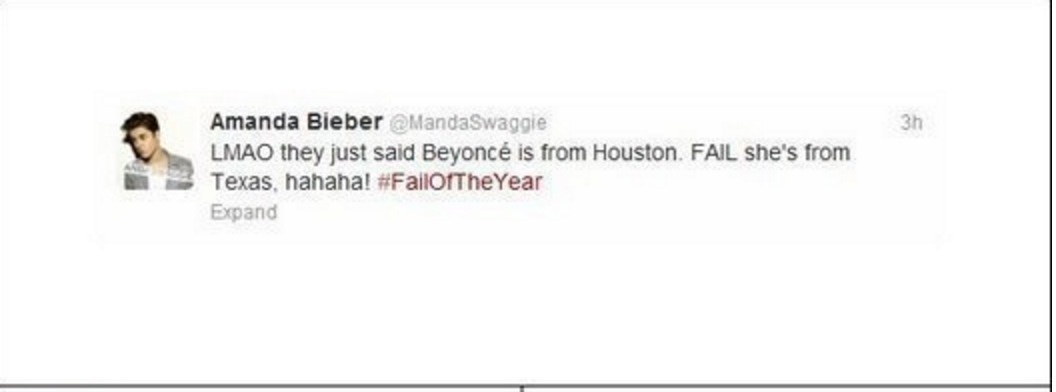
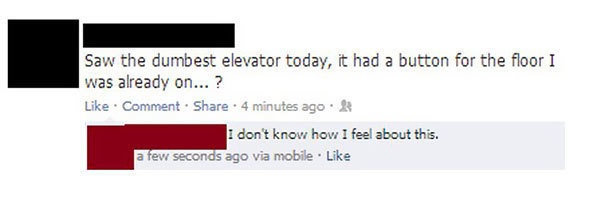
In fact, social media fails are around us all the time. Just take a look at your Facebook feed, Twitter posts, or the comments on any YouTube video. Who doesn’t sometimes slip up online and say something like this?

Fail3

Or this?

Fail1

Or even this?

fail5

The great democratic state of the internet is home to all types, and we all have gaps in our knowledge, and everyone occasionally says something kooky… We’re only human, after all. And the way social media works, it’s incredibly easy to dash off a few words without really thinking them through – and have those thoughts instantly distributed to the far reaches of the web.

What about when it’s a brand gaffe?

In an age where social media is ubiquitous, people often don’t think through the things they share with the rest of the world. Frankly, it’s easy to say something silly or foolish online – most of us have at some point.

But one would expect that large, international brands, sports teams, and celebrities would police themselves on social media so as not to cause a public relations uproar, right? Not so!

In fact, they’re just as guilty of social media fails as the rest of us, and sometimes the fallout is huge. Here are just a few examples between 2015 and 2016 of brands who royally screwed up on social media, and how they responded when the public fired back.

Think like a man

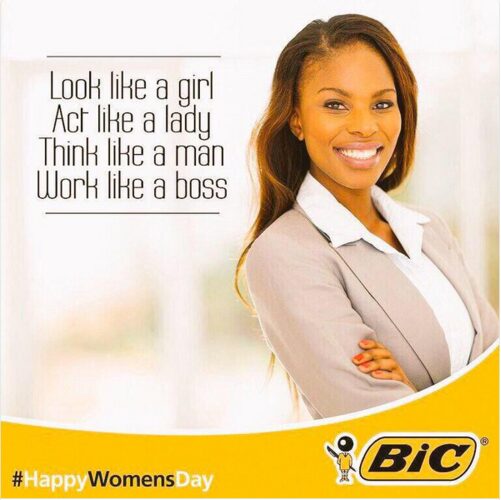
August 11, 2015 was a special day in South Africa. In fact, it was National Women’s Day, and loads of companies flocked to their favorite platforms to thank the women who offer so much to their families and society at large. The outpouring was mostly positive.

The Bic company (famous for its lighters and pens), however, decided that the most appropriate response would be this ill-advised post:

fail8

While any of the above sentiments could be construed as offensive, it’s the “think like a man” that had people in a bit of an uproar. Of course, it’s not the first time Bic has had some trouble understanding its female target market, as evidenced by their “just for her” pens.

Microsoft creates a racist

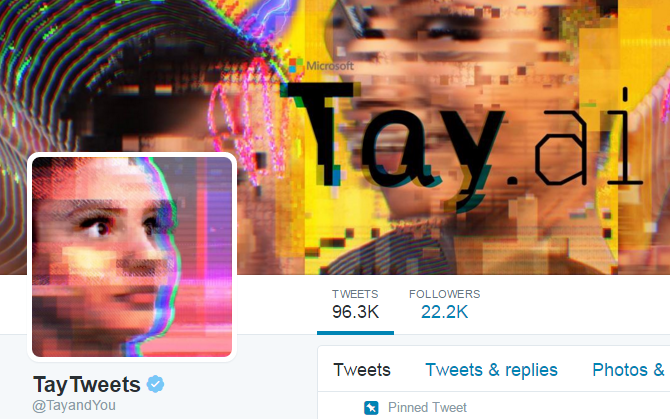
When Microsoft released its artificial intelligence chatbot, Tay, to the world in March of 2016, she was meant to mimic the speech and thoughts patterns of a teenage girl. The problem was, Tay learned in real-time from people across social media, and as we all know, people on social media can be, well, not very nice.

fail7

It wasn’t long before Tay went from a sweet AI girl who exclaimed, “Humans are super cool!” to being crude, racist, and all-around inappropriate. Microsoft was forced to take her offline less than 24 hours after she was released.

Better luck next time, Microsoft.

Blackberry doesn’t use Blackberry

It stands to reason that those who work for a company, especially a tech company, are likely to use its products. Facebook users probably spend time on Facebook. Apple employees likely all have MacBooks and iPhones. It’s the latter device – a smartphone – that leads us to our next fail.

You see, Blackberry wanted to remind fans to follow them on Twitter, with an image of a pretty-cool looking smartphone. However, there was one small problem.

That’s right – for at least one employee, Blackberry wasn’t good enough. Not even when tweeting about things related to their employer. Blackberry deleted the tweet, but by that time, the damage had been done, and the company was being ridiculed by tech reporters and social media users alike.

We shall overcome

Some social media fails are minor. Some social media fails are absolutely disastrous. And then there are the ones that make you cringe and wonder, “What could they possibly have been thinking?”

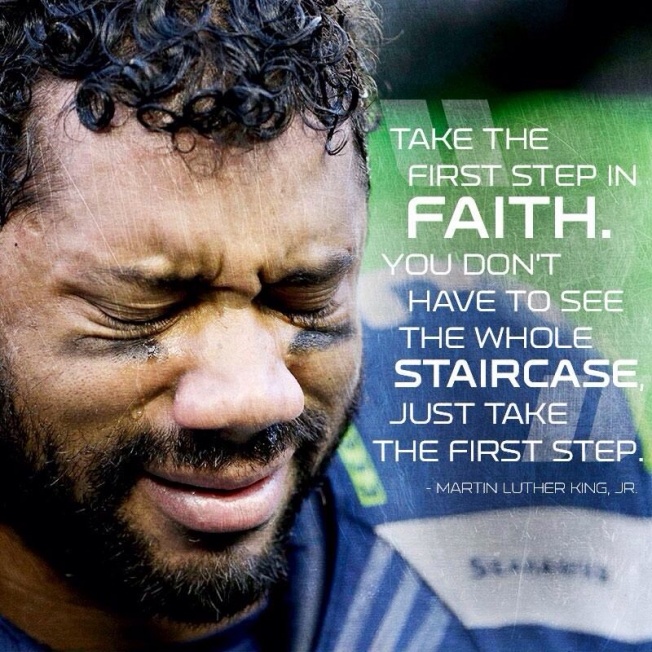
The day after the Seattle Seahawk’s huge victory over the Green Bay Packers happened to be Martin Luther King Jr. day.  Of course, #MLKDay was a trending hashtag, and the Seahawks decided to join in, tweeting “We shall overcome” along with the hashtag.

As if the comparison between a football game and the civil rights movement weren’t bad enough, the tweet was accompanied with this image:

fail10


The accompanying outrage was near-instant, causing the Seattle Seahawks to step into damage control mode and apologize for its “poor judgment.”

Naomi Campbell’s Instagram instant regret

It’s not like celebrity endorsements are a secret. We all know when a supermodel or basketball star gives a shout out to a company over social media, it’s most probably because they’re being paid by the business to do so. However, it’s probably best to do so discreetly.

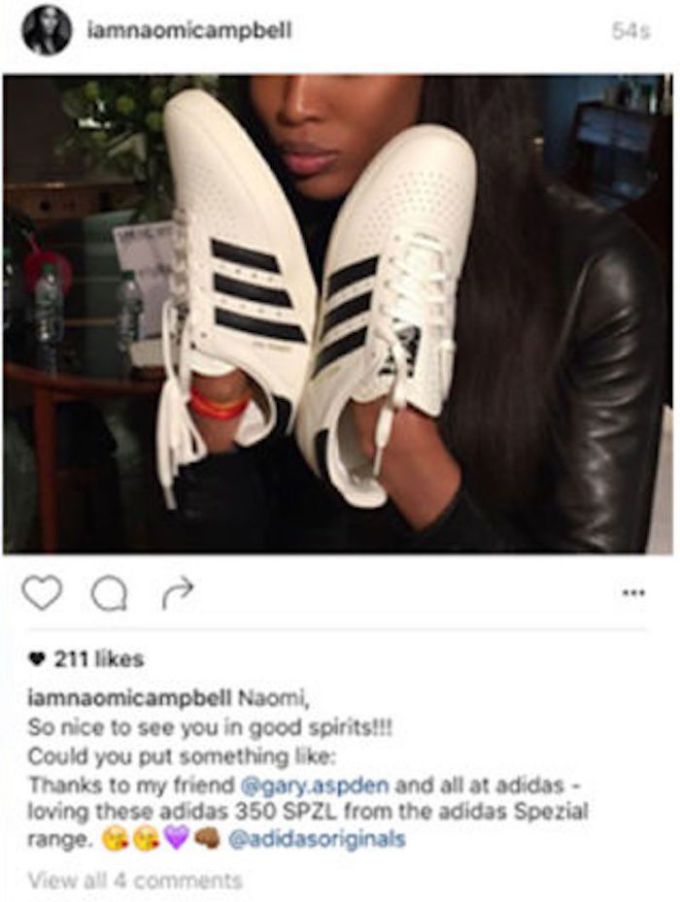
In June of 2016, model Naomi Campbell revealed her very special relationship with Adidas in this Instagram post:

fail12

Yes, she copy-pasted the entire email from Gary Aspden, Adidas’s entertainment marketing specialist and brand evangelist for the company’s new Spezial line. She corrected her mistake quickly, posting only the portion that she was asked:

Now, this really isn’t the fault of Adidas – but it certainly hurts the public perception of their sneaky marketing tactics. Next time, perhaps, send instructions.

There’s plenty of cringe to go around

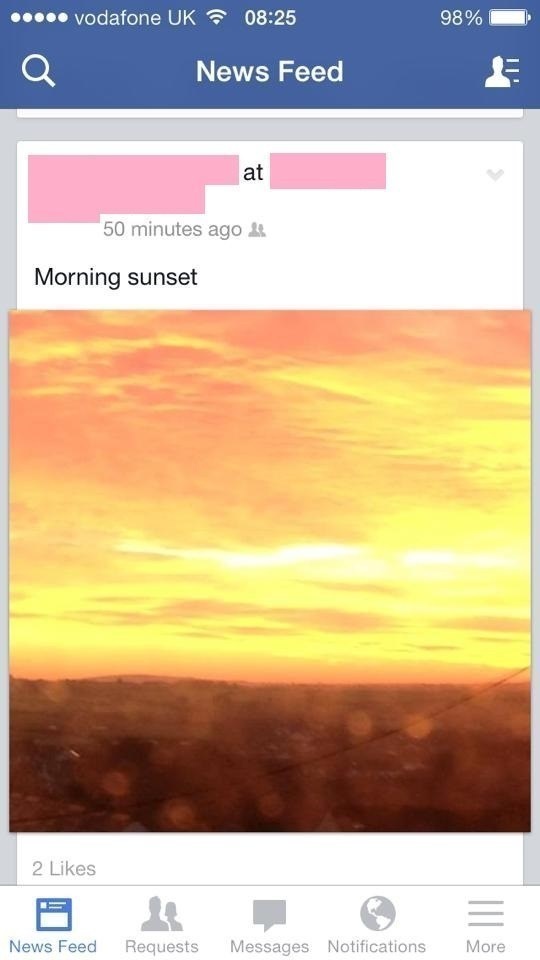
So the next time you post something like this:

fail13

Remember that celebrities, sports teams, and sneaker companies make their share of mistakes, too. At least your social media fails probably won’t be noticed by the whole internet.

Did we miss any of your favorite social media fails between 2015 and 2016? If so, we’d love to see them. Simply leave us a comment below!

Start A Conversation

Read more

Top 10 Web Design Blogs to Follow


Web design is a job that requires a wealth of creativity, logistical know-how, and perseverance. Thankfully, the designers and developers know how to make the most of their talents and share what they know with others in the industry in ways that can turn even the most beginner user into a pro.

This is a collection compiled with the help of our designers and developers, to highlight what we love about website design and where we go to get the latest on trends, tips, tutorials, and inspiration.

1. Good UI

des1

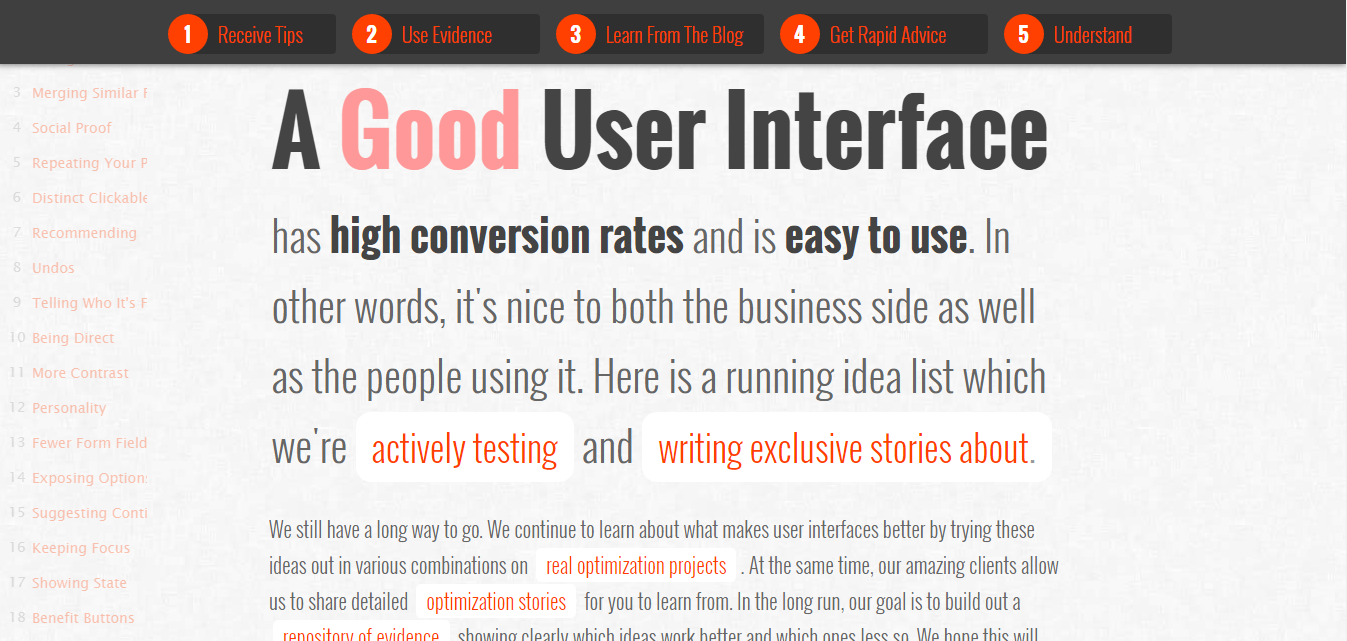
Good UI is a great example of a site that practices what it preaches. Exploring the blog for a few moments will reveal that it does exactly what its name implies: demonstrates good UI design and practices. The fluid, stream-of-conscious-like format makes their collection of ideas easy to get through without sacrificing quality or information.

The simple layout keeps the focus on the content which is geared toward ideas for great UI design, and both the sidebar and counter make it easy to keep tabs on your progress as you read through the blog.

Must Read: Trying Distinct Clickable/Selected Styles Instead of Blurring Them

2. Creative Bloq

des2

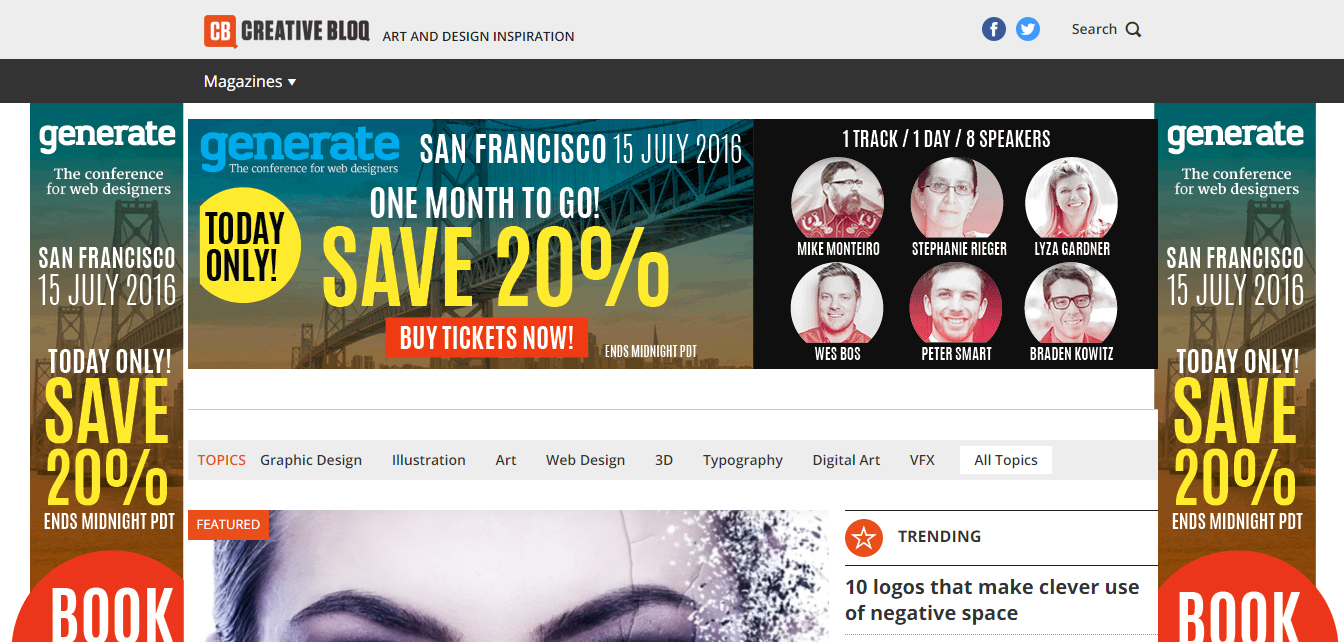
Creative Bloq is a favorite among designers, and for good reason. This site takes creative and inspirational approaches to all matters of design, from web, graphic, and 3D design, to digital art, typography, and VFX. It delivers this great content on a daily basis to keep its audience up to date on all the latest trends and techniques in the industry.

Must Read: 10 Psychological Techniques for Engaging Your Users

3. Smashing Magazine

des3

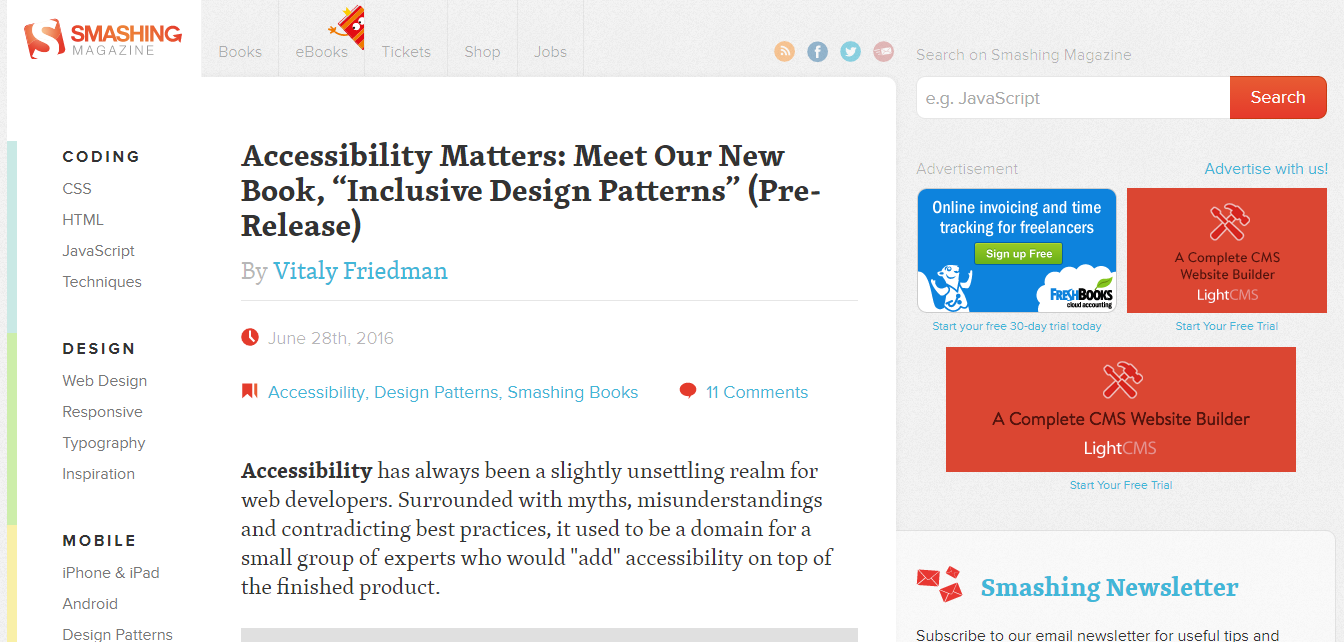
This magazine is arguably one of the most popular design and development blogs out there right now. Its quality over quantity approach has earns more than its fair share of bookmarks, along with its attention to the latest web design trends, techniques, and technologies.

Smashing Magazine’s blog is a wealth of free resources and expertise, but if that’s not enough, you can also purchase their books (physical and digital) for even more empowering design knowledge.

Must Read: Easy Steps to Better Icon Design

4. Tuts+

des4

Tuts+ places focus on hands-on learning to engage beginner and skilled designers alike by supplying them with actionable lessons and study guides. This kind of learning helps them apply their existing creative skills to areas including photography, coding, web design, and illustration.

The real treat to using Tuts+ is that it lets you go through tutorials at your own pace. The breadth of tutorials and topics gives users the chance to explore myriad skills related to their creative digital interests.

Must Read: A Comprehensive Introduction to Visual Design

5. Web Design Ledger

des5

Web Design Ledger is very much a ‘for and by’ web designers project. This site is all about helping others to share their experiences, useful resources like tutorials and tips, inspiration, and knowledge on all things design.

Besides being a platform intent on sharing the best of the best in terms of web and mobile design, its blog is updated several times daily with fresh and interesting content.

Must Read: Design a Carousel Slider in Adobe XD

6. Speckyboy Design Magazine

des6

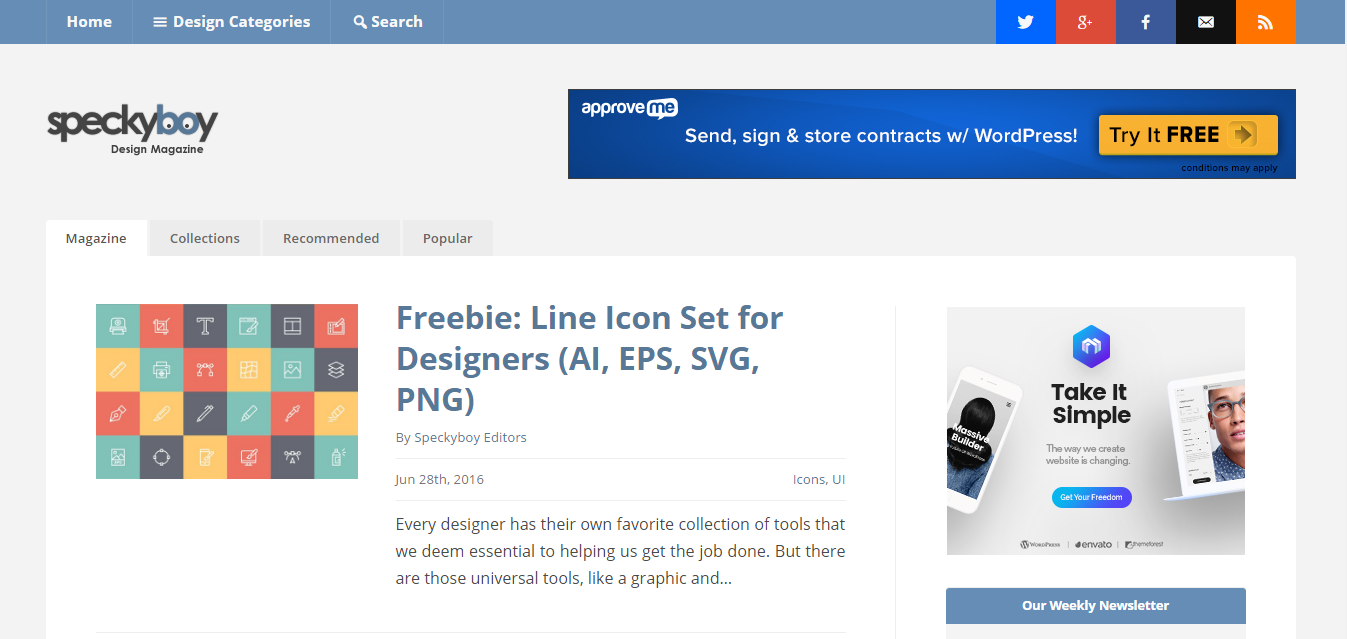
This design magazine sprang from humble beginnings as a personal freelance web design site, but has since become a go-to blog where designers can find resources, tutorials, and inspirational ideas for all areas of website design.

They cover web and mobile app design from all levels, and delve into some of the latest web trends and technologies.

Must Read: 8 Super Common Mistakes That Beginner Designers Make

7. Cognition (Happy Cog)

des7

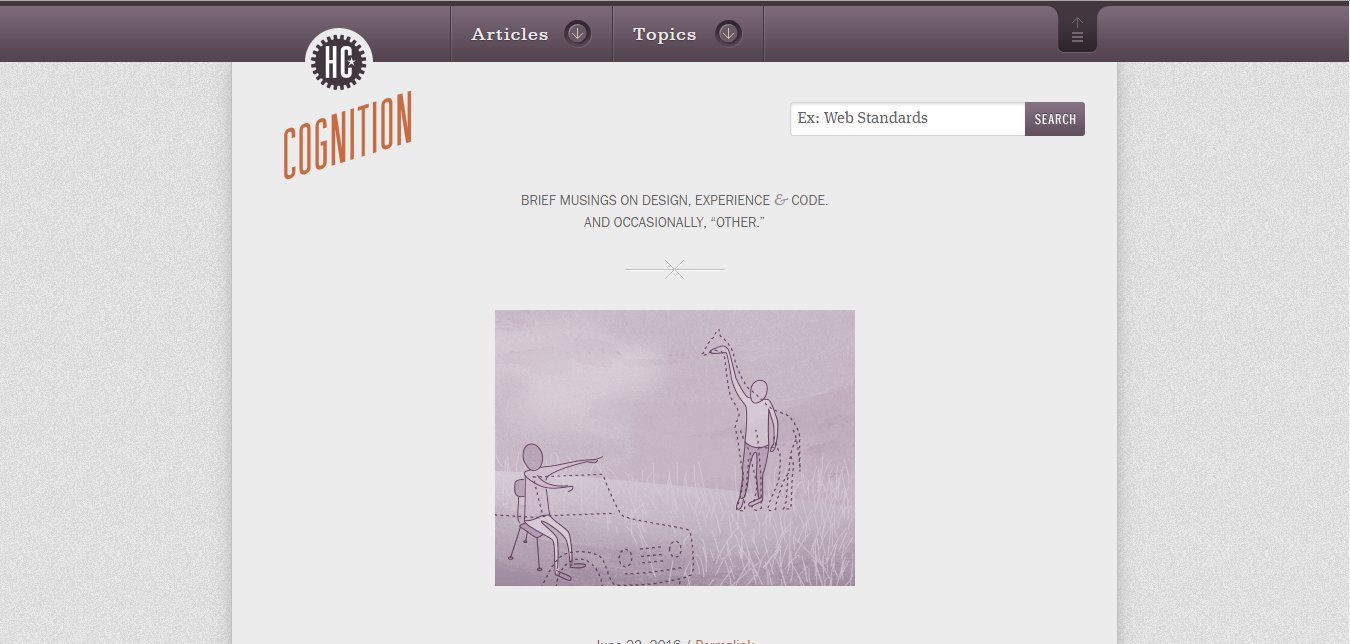
The creative folks over at Happy Cog created Cognition as an outlet for all their musings on anything digital, from design and coding to their experiences. They’ve written content centered around dozens of topics, including UX, front-end development, design, project management, and even client services.

They take a candid, if not sometimes eclectic approach to these topics that provide not only invaluable insight into the design process, but shed light on the human components of developing websites from the ground up.

Must Read: Distributed Yet Synchronized

8. Awwwards

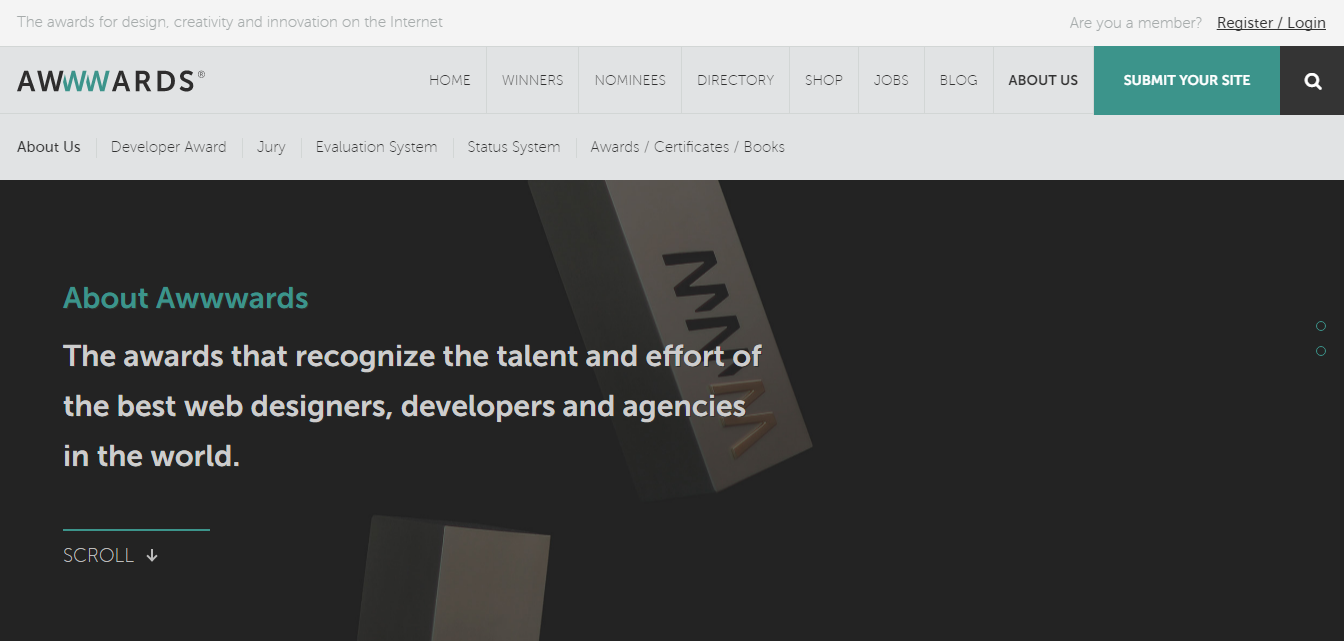
des8

If you’re interested in checking out some of the latest and greatest talent in the web design and development industries, give Awwwards a look. This site not only takes the time to recognize and promote up-and-coming designers, but it also features a host of trending tips and tutorials, along with other great freebies within the Awwwards blog.

Must Read: Do We Need Frameworks

9. Abduzeedo

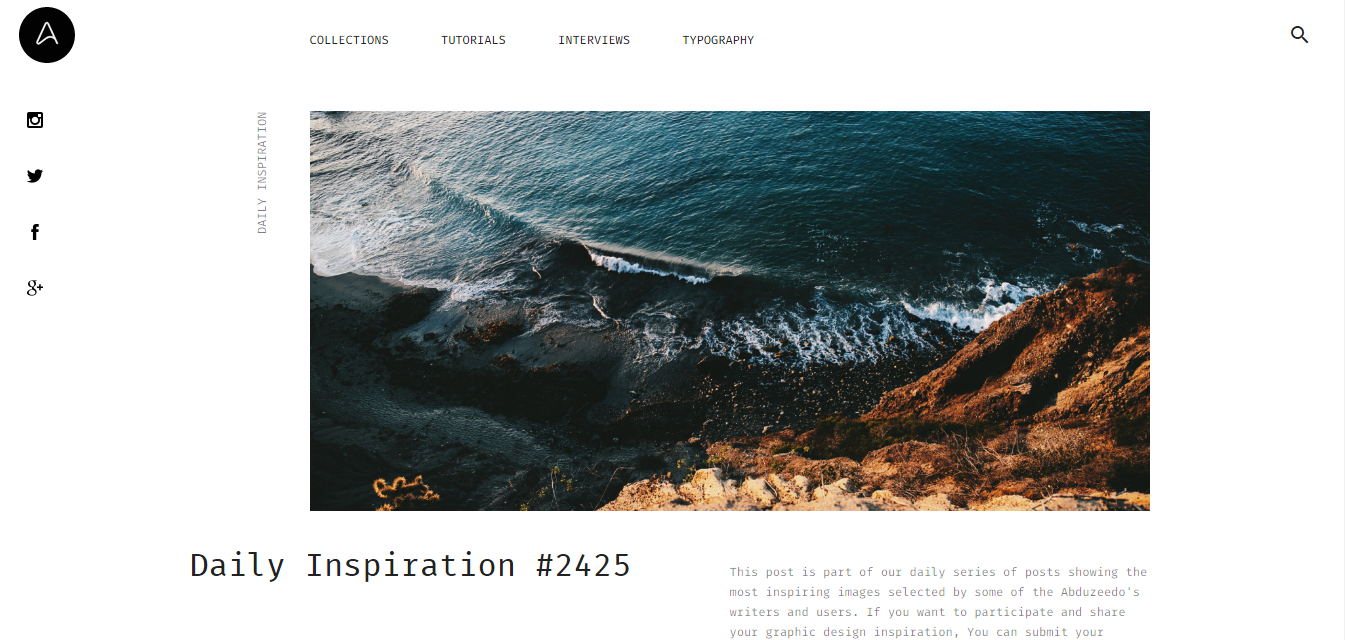
des9

Abduzeedo is all about inspiration and visuals to keep the creative designers creative. The design blog collects helpful how-to’s and visual inspiration daily for its users. They even utilize case studies and quick-tips to promote the benefits of tutorials and the software they’re designed for.

Abduzeedo covers topics including photography, typography, and logo design; but it also features interviews and ‘sites of the week’ as well.

Must Read: Brushes, Mobile UI Kits, and More.

10. A List Apart

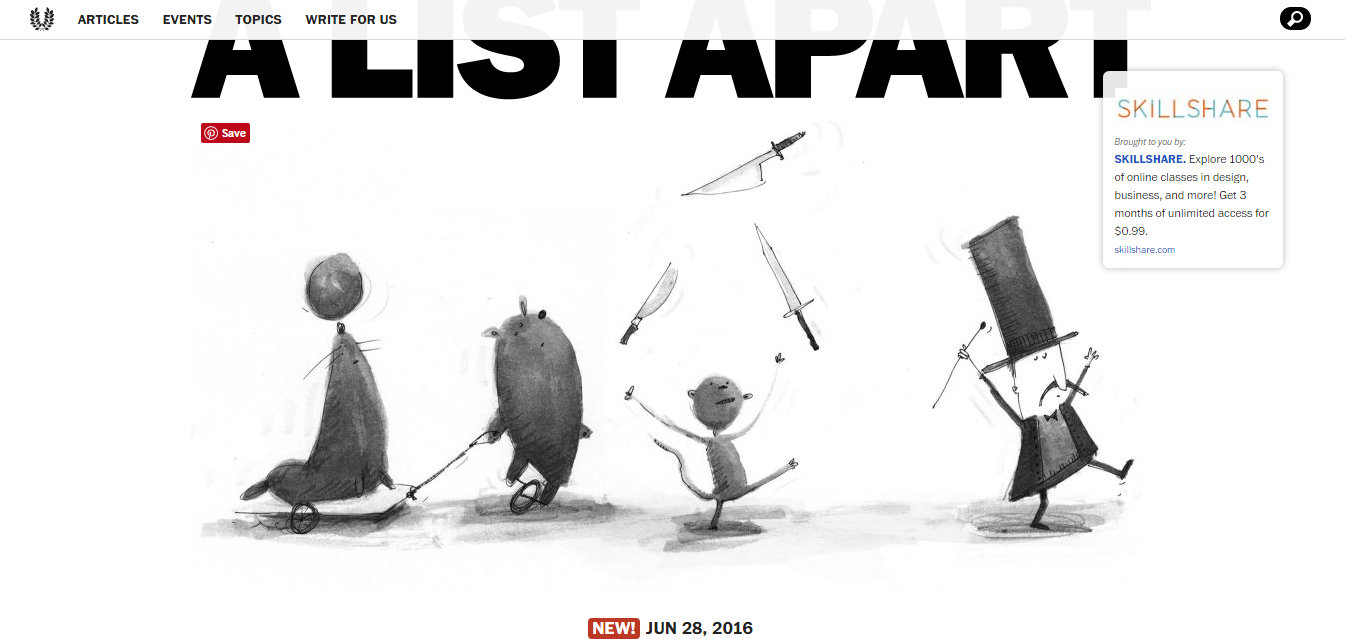
des10

Last but not least, A List Apart is an online publication that started way back in 1998 and caters to any and all people who make websites. They explore what it means to design and develop websites, including the meaning of web content and the standards/practices that define good web content.

Must Read: All Talk and No Buttons: The Conversational UI

If you aren’t already subscribed to or follow the sites on this list, give them a try; and if you follow any web design and development blogs that we forgot to mention, let us know in the comments section below.

Read more

Recent Updates to Search Results – What Do They Mean for PPC and SEO?

 In 2016, you’d be hard-pressed to find an internet user that hasn’t used the Google search engine, at least once, in an effort to solve their query. Whether this user is looking for a solution to their problem, searching for the perfect something to buy online, or they’re just curious about “how far away is the sun from the earth,” Google certainly has the answer. And sometimes, you don’t even have to leave the search engine to find it.

google query

Google isn’t the only search engine on the market, though. As of January 2016, Google’s market share remains the same as 2015 – at 63.8%. Maintaining the same market share year over year speaks to a stable company, especially when your closest competition is more than 40% behind you.

But when you’re Google, maintaining your market share isn’t good enough. While Google remained the same, their closest competitor Bing actually increased their market share. As Bing continues to increase their market share, even if it’s only by a few tenths of a percentage point here and there, they’re encroaching on Google’s territory.

Competition within any market keeps it healthy and alive. In the case of search engines, stiffer competition means more updates to search results and functionality. Cutting edge technology is being developed at Google every day to ensure that the search engine keeps evolving before the competition has the chance to catch up.

PPC Marketing

With so many recent updates to Google’s advertising service, Google AdWords, the search engine continues to make it clear that paid ads are the future of search. More and more advertisers are paying to play in Google’s search results – and the search results are starting to reflect that.

Ads stop displaying in search results sidebars

In February, users may have noticed that their search results suddenly looked different.  In fact, it was around this time that Google pulled pay-per-click ads from displaying in the right sidebar of a user’s search. Instead of a sidebar full of paid ads, it’s now blank. PLAs (product listing ads) and knowledge graph cards are the only elements that may still display on the right sidebar for select searches.

no ads in sidebar

This change to the search engine results pages (SERPs) was one of the biggest of the New Year from Google. Advertisers were understandably shaken by the adjustment. Instead of eight to ten chances of your ad appearing above the fold, you would be left with only four. The effects of removing sidebar ads were felt on mobile devices, too. Some searches from a mobile device like a smart phone return mostly ads, well above the fold. Currently, most search results pages display only three or four paid links above the organic blue links.

Since this change, advertisers have had to get serious about the PPC marketing accounts – weeding out low-ranking keywords that just don’t work and cutting down on the excess. Even though bids haven’t skyrocketed like some advertisers feared, the competition for those four spots has become even harder.

Shopping ad changes

As search ads disappeared from the right sidebar, shopping ads stuck around. The placement of PLAs hasn’t changed much. In a search for “kitchenaid mixer”, we’re still seeing results displayed to the right of the search result in the sidebar.

pla ads

Instead of products being displayed on their own, we’re starting to see many more useful extensions accompanying each listing. Along with reviews, new PLA extensions include things like special offer tags, price drop percentages, and in store location pins. Google has made it easier than ever for users to shop right inside the engine, never having to navigate to another website.

More changes for PLAs are still to come. For listings at the top of the SERPs, Google is experimenting with expandable blocks. A user can toggle a button to reveal or hide more sponsored product listings. Upcoming product filter buttons will allows users to go even further, sorting PLAs by price, location, and ratings.

Expanded text ads

Aside from an impending overhaul coming to Google AdWords in the next year, the biggest change affecting PPC ,marketing is expanded text ads. Currently, Google AdWords allows for one 25-character ad headline and two 35-character copy lines.

Instead of 60 short characters, advertisers will soon have 115 to work with – that’s almost 50% more room to grab users’ attention! Advertisers are understandably excited about this change. More characters mean more opportunity to craft a really great ad.

The expanded text ads aren’t currently a feature in Google’s AdWords platform, but will be soon. This is just one of many updates coming to a revamped AdWords. No word yet on when this platform will be released to the public, but it’s already being actively beta tested by select users.

SEO Marketing

Google’s focus on updates to its paid advertising service show how much focus the company is placing on paid advertising. So much so, that some businesses feel as if there’s no other way to rank within the search engine. As many updates as Google AdWords and paid search have receive in the past few month, organic search isn’t far behind.

Ads stop displaying in search results sidebars

This update was already covered from a paid advertising perspective. However, removing ads from the sidebar has had an equal effect on organic search, just in a different way. When Google removed ads from the sidebar, they added one more ad to the three that would previously display above organic blue links on a SERP.

Four paid ads instead of three on the new SERPs mean there is even less room for organic results. In a search for “loose leaf tea”, a user is confronted first by four paid ads, then by a block of PLAs to their right, and finally a few organic results toward the bottom of their screen. Depending on their screen size, sometimes only one organic ad is visible above the fold.

tea query

One more ad may seem insignificant, but the amount of prime real estate is takes from organic results is not. You may have already noticed how things like knowledge cards, local packs, and PLAs effectively push organic results further and further down the page. Sometimes, the first organic result isn’t even visible above the fold.

Rich search results

Elements we’ve mentioned quite a few times already, like knowledge cards and local packs, are all known as “rich results.” These are search results that have been enhanced, making them more valuable for users. Just in the last month, Google has begun expanding the rich result repertoire.

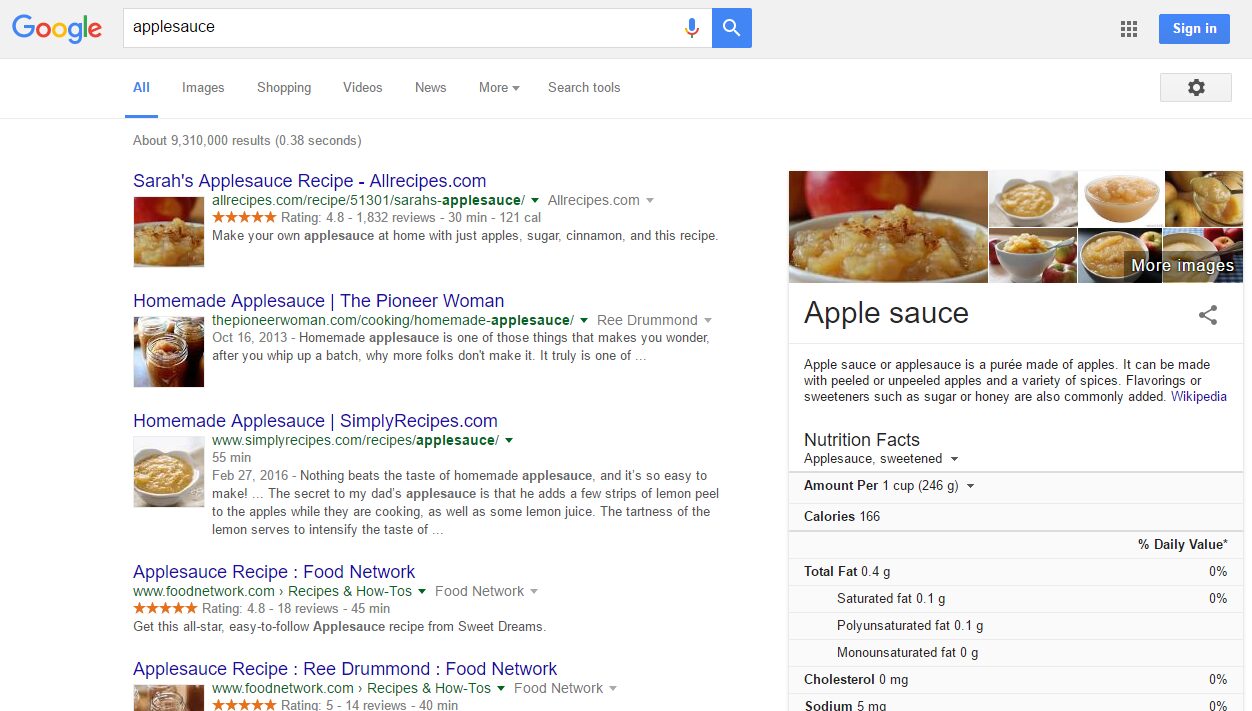
Now, when a user searches for “applesauce”, their SERPs are filled with even more images of food! Instead of a standard blue text link, all searches involving recipes are accompanied by recipe thumbnails. Some searches even include knowledge cards in the sidebar with a definition, access to more images, and nutrition facts.
rich results

One can only assume since Google is setting such a visual precedent with recipe searches that they won’t stop there. Marketers need to get more creative with their content, producing even higher quality information that’s made to draw users in. The use of thumbnails beside results is just the beginning.

AMP pages

AMP pages, or accelerate mobile pages, aren’t new to Google this year, but they are starting to gain some serious traction. Simply put, these speedy mobile pages are made to be consumed quickly. The way in which AMP is built allows for fast load times with little downtime for users. In addition to Google mobile results, you’ll find these pages on Facebook as Instant Articles.

As more and more users search on their mobile devices every day, the more people have a need content that loads quickly. In fact, 80% of internet users own a smart phone. It’s safe to assume that most of them have performed a Google search at least once from their smartphones.

AMP allows content to be more on-demand than ever. Nothing turns users away faster from your mobile site than slow-loading content. AMP isn’t only the future of mobile search, it’s the future of all search. As the amount of content on the web continues to grow, so does the need for ridiculously fast load times.

Google continues to grow and evolve, and the driving force behind most of their changes is to better serve their users. When you understand all of the recent changes and how they impact your PPC marketing and SEO marketing, you can better serve your customers, too. Talk to our digital agency in Lancaster, PA for more information or if you’d like to try digital marketing for your small business.

SEO strategies CTA

Read more

Categories SEO